

How to Choose the Right Lube (2026)
 Published Updated 7 minHow-To
This guide contains affiliate links. If you buy through one, we earn a commission at no extra cost to you. It never changes a pick. How we make money
Top picks
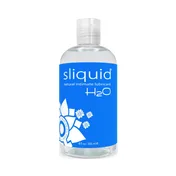 BEST OVERALLSliquid H2O$10–22Buy nowOur review
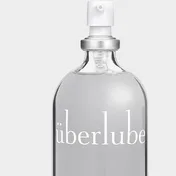 BEST SILICONEÜberlube$20–34Buy nowOur review
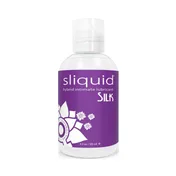 BEST HYBRIDSliquid Silk$11–24Buy nowOur review
Last year I spent $189 on a gorgeous silicone vibrator, used it exactly once with whatever lube was in my bedside drawer, and woke up the next morning to find the surface had gone tacky and rough. Silicone lube on a silicone toy. I knew better. I write about this stuff. And I still ruined it because I grabbed the wrong bottle in the dark. That's a $189 lesson in why lube matters.
Lube reduces friction, increases sensation, protects your toys, and makes everything feel better. It doesn't mean you're not turned on enough. It doesn't mean something's wrong with your body. Humans aren't self-lubricating machines. Arousal levels fluctuate, medications affect moisture, and silicone toys create more friction than skin does. Lube is a tool. Use it.
The problem is that the lube market is a disaster. Hundreds of options, most of them terrible, and the wrong one can destroy your silicone toys, irritate your skin, or cause infections. What to buy, what to avoid, and what actually matters for toy compatibility. That's what this guide covers.
I'm writing this primarily for people who use sex toys. Lube for skin-on-skin sex has slightly different considerations. Lube for toy use has one hard rule that overrides everything else: compatibility. If you're still figuring out what toys to pair with your lube, the full buying guide covers every category. That starts with understanding the three main types.
We earn a commission on some of these links.
- Sliquid H2O$10–22BEST OVERALL
The bottle I reach for first. Safe with every toy material, no junk ingredients.
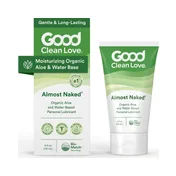 Good Clean Love Almost Naked$17BEST ORGANIC
If your body reacts to everything, start here.
- Sliquid Silk$11–24BEST HYBRID
Splits the difference between water and silicone without the compromise you'd expect.
Product photos: Sliquid, Uberlube, Good Clean Love.
Water-Based: The Safe Default
If you own silicone toys — and statistically, you probably do, water-based is your default. (Not sure how to clean them properly? I wrote a whole guide on that.) Safe with every material. Safe with condoms. Easy cleanup. Won't stain your sheets. Won't destroy a $189 vibrator. I learned that last part the expensive way.
| Feature | Water-Based | Silicone-Based | Hybrid | Oil-Based |
|---|---|---|---|---|
| Safe with silicone toys? | ✅ Yes | ❌ Not unless the toy's maker says so | ⚠️ Test first | ✅ Yes |
| Safe with condoms? | ✅ Yes | ✅ Yes | ✅ Yes | ❌ No (latex) |
| Lasts long? | ⚠️ Reapply often | ✅ Very long | ✅ Good | ✅ Very long |
| Easy cleanup? | ✅ Water rinse | ⚠️ Needs soap | ⚠️ Needs soap | ❌ Stains sheets |
| Feels natural? | ✅ Very | ⚠️ Slicker | ✅ Natural | ✅ Natural |
| Best for | Everyday + toys | Anal, shower | All-around | Massage, solo |
Always patch-test new lubes. What works for one person may irritate another.
The table is also a printable one-page chart, with glass, steel, hard plastic and condoms added.
The trade-off is longevity. Water-based absorbs into skin and dries out mid-session. You'll reapply two, maybe three times during a long solo session. Some people hate that. Fair. But the alternative (silicone lube) comes with restrictions that make it a non-starter for most toy users.
Now, the cheap stuff. You know the bottles I mean. Bright pink packaging, drugstore endcap, $4.99. Those are usually loaded with glycerin, parabens, and propylene glycol. Glycerin is a sugar alcohol. Anything sugary near your vagina is a yeast infection waiting to happen. Parabens are preservatives that may disrupt hormones. Propylene glycol burns. Not for everyone, but for enough people that it's worth avoiding. The sex toy industry is basically unregulated, and the lube aisle is proof.
What you want: short ingredient list, no glycerin, no parabens, and a pH that leaves your own alone. The WHO and UNFPA spec for lube prefers lubes that don't shift the pH of the vagina or rectum. Should feel slick, not sticky. Shouldn't dry into a tacky film. The gap between a $4 drugstore lube and a $12 quality lube is enormous. Twelve dollars. That's it. Best money you'll spend on your sex life this year.
Silicone-Based: The Double-Edged Sword
On paper, silicone lube wins everything. Slicker. Lasts an entire session on a single application. Doesn't absorb into skin. Waterproof, so it's the only real option for shower or bath play. If all you do is skin-on-skin sex with no toys, silicone is objectively the better product.
The catch is brutal. Silicone lube can ruin some silicone toys. Some silicone lubes soak into some silicone toys, and the surface swells and breaks down. Gummy. Sticky. Falling apart. Plenty of high-quality toys survive some silicone lubes (Tantus says premium ones like Pjur don't react with its silicone, and Mr Hankey's says its own testing found no damage) — but "probably fine" is not a phrase I want associated with something going inside my body. My rule: don't use silicone lube with silicone toys unless the maker says it's fine or you've patch-tested first. Drop of lube on the toy's base, rub it in, and leave it overnight, which is what Mr Hankey's suggests. If the surface feels tacky or different, that combination is off the table. If it feels fine, you're likely okay. Or skip the chemistry experiment entirely and use water-based.
Where it earns its place: anal play (the body doesn't self-lubricate there, so longer-lasting lube matters more), glass and metal toys (zero compatibility issues), and partner sex without toys involved. Überlube is the gold standard. Thin, no residue, so good that people use it as hair serum (I'm not joking, look it up). A $34 bottle lasts months because you use drops, not squirts.
Hybrid & Oil-Based: Niche Picks
Someone at Sliquid looked at the water-vs-silicone problem and said "what if we just mixed them." That's a hybrid lube. Water-based formula with a small percentage of silicone added for longevity. They last longer than pure water-based. They're not automatically safe with silicone toys, so patch-test first, since even a small amount of silicone can damage some silicone surfaces.
Sliquid Silk is the popular one and it earns the reputation. Glycerin-free, paraben-free, texture that's more cushioned than water-based but less slippery than pure silicone. Good middle ground if water-based dries out too fast. It still has silicone in it, so patch-test it on silicone toys too.
Oil-based is a different animal. Coconut oil is the darling of the skin-on-skin crowd, and it does feel incredible, but it degrades latex condoms and messes with vaginal pH. For Porous and nonporousPorous materials like TPE, jelly and Cyberskin have tiny pores that can hold bacteria. Nonporous ones like silicone, glass and steel can be cleaned completely. More in the glossary toys (glass, metal), coconut oil works fine. For silicone toys, oil is technically safe (it's silicone lube that can damage silicone, not oil), but good luck cleaning coconut oil out of textured silicone surfaces. Water-based remains easier.
A DM I got last month: someone had been using hand lotion as lube for two years and couldn't figure out why they kept getting irritated. Hand lotion. Two years. Please. Do not use Vaseline, baby oil, hand lotion, or spit. Spit dries in seconds and carries bacteria. Actual lube costs twelve dollars. You spend more than that on a single lunch.
Ingredients to Avoid
The FDA treats lube as a medical device, which spares it the testing a drug would need. Plenty of bottles still carry ingredients you don't want near your body. Here's what to watch for.
Glycerin and glycerol: in most cheap lubes because they add sweetness and slip. Glycerin feeds yeast. If you're prone to yeast infections, glycerin-containing lube can trigger them. Not dangerous for everyone, but glycerin-free options cost only a few dollars more, so why bother with the risk?
Parabens (methylparaben, propylparaben, etc.): preservatives flagged as potential endocrine disruptors. The science is debated. Plenty of quality lubes skip them entirely. Easy avoid.
Chlorhexidine gluconate: an antibacterial that nukes both harmful bacteria and the good bacteria maintaining vaginal flora. Found in some "antibacterial" lubes. Your vagina has its own ecosystem. Leave it alone. Propylene glycol: causes burning and irritation for many people, even at low concentrations. Common humectant, common problem. Nonoxynol-9: a spermicide that causes micro-tears in tissue. It was supposed to help prevent STIs, but a gel with N-9 raised the risk of HIV transmission in a large trial, and the WHO and UNFPA spec for lube rules spermicides out. Avoid anything labeled "spermicidal lubricant."
Sasha's Specific Recommendations
Specific products. Tested by me. Here's what I keep stocked.
Best water-based, everyday use: Sliquid H2O. This is my number one recommendation for anyone who uses silicone toys, which is most of you. Glycerin-free, paraben-free, vegan, hypoallergenic. Feels like what lube should feel like: slick, not sticky, no weird taste, no residue. An 8.5oz bottle runs about $22 and lasts a couple months with regular use. It does dry out eventually (it's water-based, that's the deal), but a few drops of water reactivate it. It's the one I keep buying.
Best water-based, premium: Sliquid Sassy. Same formula as H2O but thicker, designed for anal play but great with toys in general because the extra viscosity means it clings to silicone surfaces better and needs less reapplication. If you find H2O too thin, try Sassy. About $22 for 8.5oz. Also, Good Clean Love Almost Naked is an excellent organic option, aloe-based with a great ingredient list, pH-balanced specifically for vaginal use. About $17.
Best silicone-based: Überlube. Medical-grade siliconeSilicone that passed tests for medical devices. On a toy listing it's a claim unless the maker shows the papers, and it doesn't say how the silicone was cured. More in the glossary silicone. Zero taste, zero smell, feels like nothing is there except slipperiness. About $22 for 55ml, but you use drops, not squirts, so it lasts forever. Only use with non-silicone toys, partner sex, or a silicone toy whose maker says it can take silicone lube. The glass bottle with the pump doesn't look out of place in a bedroom, which matters more than people admit.
Best hybrid: Sliquid Silk. Lasts longer than H2O, fine with glass, steel and plastic toys, texture that's hard to describe but immediately obvious when you try it. About $24 for 8.5oz. Patch-test with silicone toys, but I've never had an issue personally. Budget pick: a 2oz Sliquid H2O for $10. Walmart's Equate brand personal lubricant is unscented and not terrible. Thin, dries fast. It lists glycerin and propylene glycol, though, two of the things this guide tells you to avoid.
Frequently Asked Questions
Can I use silicone lube with silicone toys?
Usually not. Silicone lube can damage some silicone toys and leave the surface tacky and rough. I ruined a $189 vibrator this way. Stick to water-based lube with silicone toys unless the maker says its silicone can take silicone lube, as SquarePeg and Mr Hankey's do. Here's what every maker says. Silicone lube is fine with glass, steel, and ABS plastic toys.
What is the best lube for sex toys?
Water-based lube is the safest default because it works with every toy material. Sliquid H2O and Sliquid Sassy are my top picks: no glycerin, no parabens, no weird taste. Check the body-safe materials guide to match lube with your toy's material.
Is water-based or silicone lube better?
Depends on the context. Water-based is compatible with all toys and easy to clean up. Silicone-based lasts longer, works in water, and feels silkier, but it can damage silicone toys. For most people using silicone vibrators, water-based is the right call.
What lube ingredients should I avoid?
Glycerin (feeds yeast), parabens (potential endocrine disruptors), chlorhexidine, nonoxynol-9, and anything with "warming" or "tingling" in the name. These cause irritation for a lot of people. Simple formulas with fewer ingredients are almost always better.
Do I really need lube with a vibrator?
You don't technically need it, but everything feels better with it. Silicone creates more friction against skin than you'd expect, and natural lubrication fluctuates based on hormones, medications, hydration, and stress. A few drops of water-based lube is the cheapest upgrade you can make.
A short email from the two of us once a month: what we still use, what let us down, and one reader question.
One email a month. Unsubscribe anytime. Privacy